

The man, identified only as Alex S. in line with Dutch privacy guidelines, sold the drugs to more than 1,600 people before police arrested him. He first bought the drugs online for himself, East Brabant District Court said in a written verdict.
A lethal drug allegedly sold by a right-to-die campaigner may have had a role in the deaths of 33 people in the Netherlands, prosecutors say.
The trial of a man accused of selling the so-called suicide powder to hundreds of people opened on Wednesday.
Alex S from Eindhoven was arrested in July on suspicion of illegally assisting suicide, selling drugs and money laundering.
Investigators initially thought the man may have had a role in six deaths.
But in court, prosecutors in the city of Den Bosch said the number of deaths linked to the drug might be far higher.
At least 15 people died after using the drug they bought from Alex S, while a further 18 deaths were still under investigation, prosecutors said.
Dutch media say Alex S was a member of the Last Will Cooperative, a right-to-die campaign group.
Prosecutors are investigating the group over allegations a deadly powder
“He is convinced that every person has the right to decide about their own life and believes that government policy in this area falls short,” the court said.
The Netherlands was the first nation to legalise euthanasia. A 2002 law allowed physicians to end the lives of patients under strict conditions, either by administering a fatal dose of drugs or giving the patient the drugs to take.
Assisted suicide, the practice of someone who is not a physician providing a person with a self-administered lethal substance, remains illegal.
Debate about options available to people who want to end their lives but who are not eligible for euthanasia has continued ever since the euthanasia law was passed.
Late last year, a court in The Hague upheld the ban in a case brought by activists who argue it infringes on their right to determine when their lives end.
The 30-year-old suspect convicted Tuesday was sentenced to three and a half years in prison, the court in the southern city of Den Bosch ruled. Eighteen months of the sentence were suspended, meaning he would only have to serve them if he re-offends.
The court said that he “treated the lives of others very lightly and damaged the value of human life in general” and “undermined” the carefully formulated Dutch euthanasia law.
The court added that the suspect wrongly told buyers that the drug led to a painless death.
“Use of drug X does not always lead to a ‘soft’ death,” the court said, citing relatives who witnessed “severe distress and panic which led to a gruesome death.” The judges said that they were conscious of the public debate about end-of-life issues in the Netherlands but stressed that “in a democratic society, it is important that laws are observed. Also by those who do not find their opinion reflected in the law in all respects.”
They said the suspect “took the law into his own hands and single-handedly put the right to self-determination above all other rights and the law.” A Dutch psychologist has told an interviewer from a newspaper that he gave “suicide powder” to more than 100 people and that he was speaking out in an effort to provoke debate about the Netherlands’ laws on assisted dying.
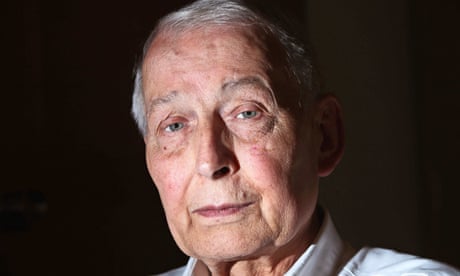
Wim van Dijk, 78, said he was unconcerned that he could be jailed over his actions and insisted that the issue needed to be aired.
“I am aware of the consequences of my story. I don’t care,” he told De Volkskrant. “I want the social unrest to become so great that the judiciary cannot ignore it. I don’t really care if they arrest me or put me in jail. I want something to happen.”
Dutch law stipulates that people can only be assisted to die by a doctor in response to a “voluntary and well-considered request” in the context of “unbearable suffering from which there is no prospect of improvement, or alternative remedy”.
Van Dijk is a member of Coöperatie Laatste Wil, or the Last Will Cooperative, which campaigns for more liberal legislation and offers advice to people who wish to end their lives.
Prosecutors are already investigating the organisation over allegations that people attending its meetings have purchased a deadly drug known as Agent X, claims that have been denied.
Police arrested a 28-year-old man from Eindhoven in July on suspicion of selling “suicide pills” to hundreds of people. Prosecutors said at least six people died from the drug allegedly provided by the man, named only as Alex S, who was also a member of the cooperative.
Van Dijk revealed in his interview that he had suggested people attending the organisation’s meetings stay on after the moderator left so he could sell them the drug for €50 (£42) a dose.
“I have carefully provided people who want to maintain control over their own end of life with the means to end life at the time of their choice in the future,” he said. “I am a provider. I have provided Agent X to more than 100 people.”
Assisting suicide carries a maximum prison term of three years.
The chairman of Coöperatie Laatse Wil, Jos van Wijk, was arrested and detained for a day last month on suspicion of involvement in a criminal organisation.
Van Dijk told De Volkskrant he had become involved with the cooperative, which was founded in 2013, after his wife died of dementia.